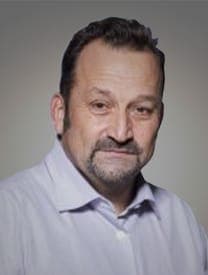
Prof. Dr. Stündl László
Tudományos vezetőhelyettes, intézetvezető
Debreceni Egyetem, Mezőgazdaság-, Élelmiszertudományi és Környezetgazdálkodási Kar

Debrecen Environmental Control System
Current Air Quality PM2.5
No Measured Data
Excellent
Good
Moderate
Polluted
Very Polluted
Extremely Polluted


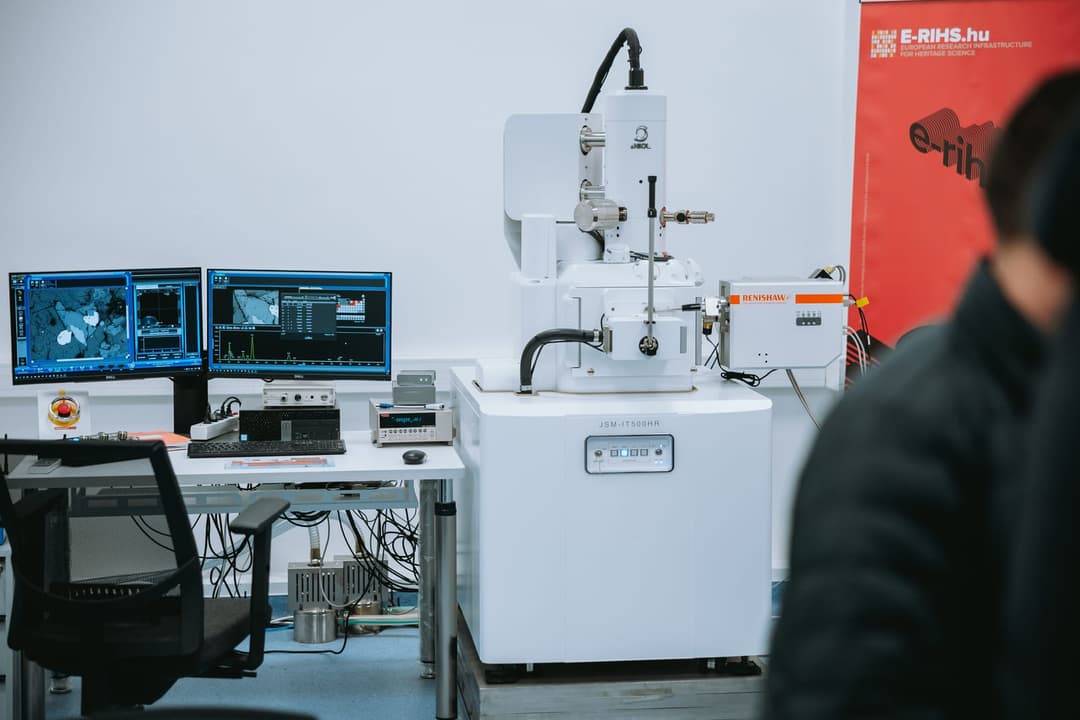
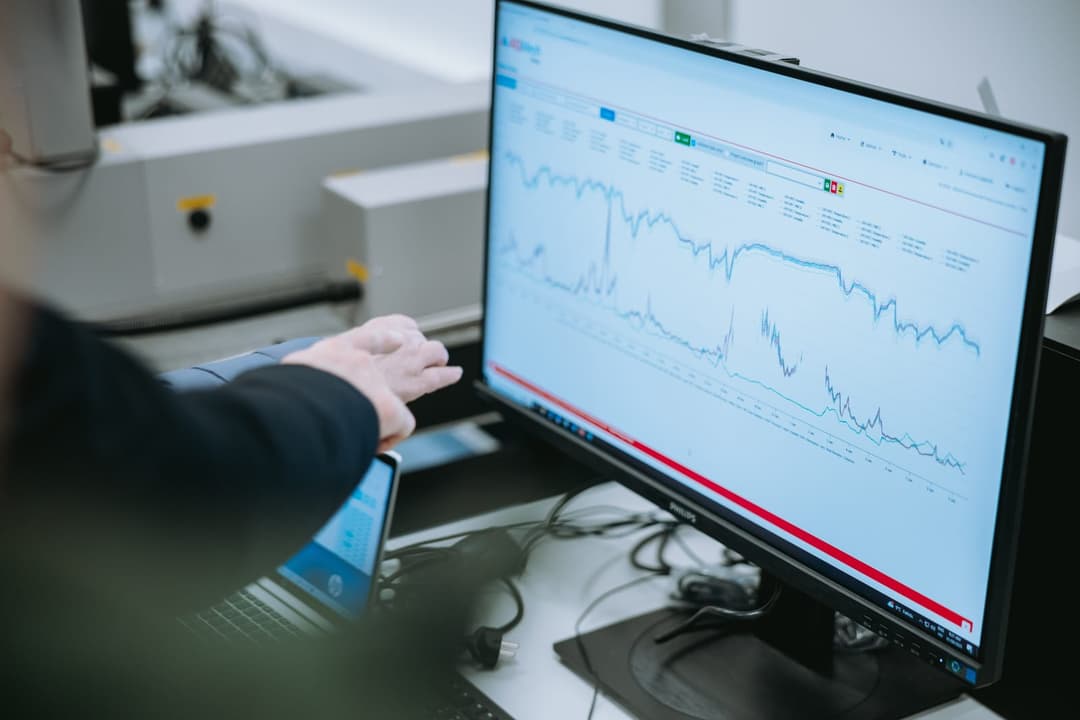
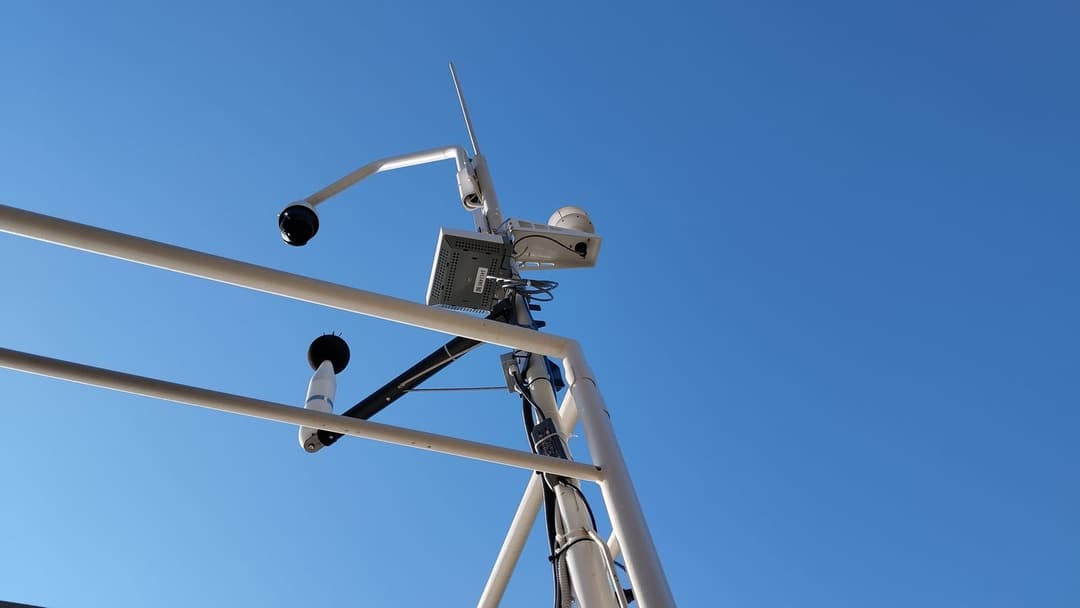
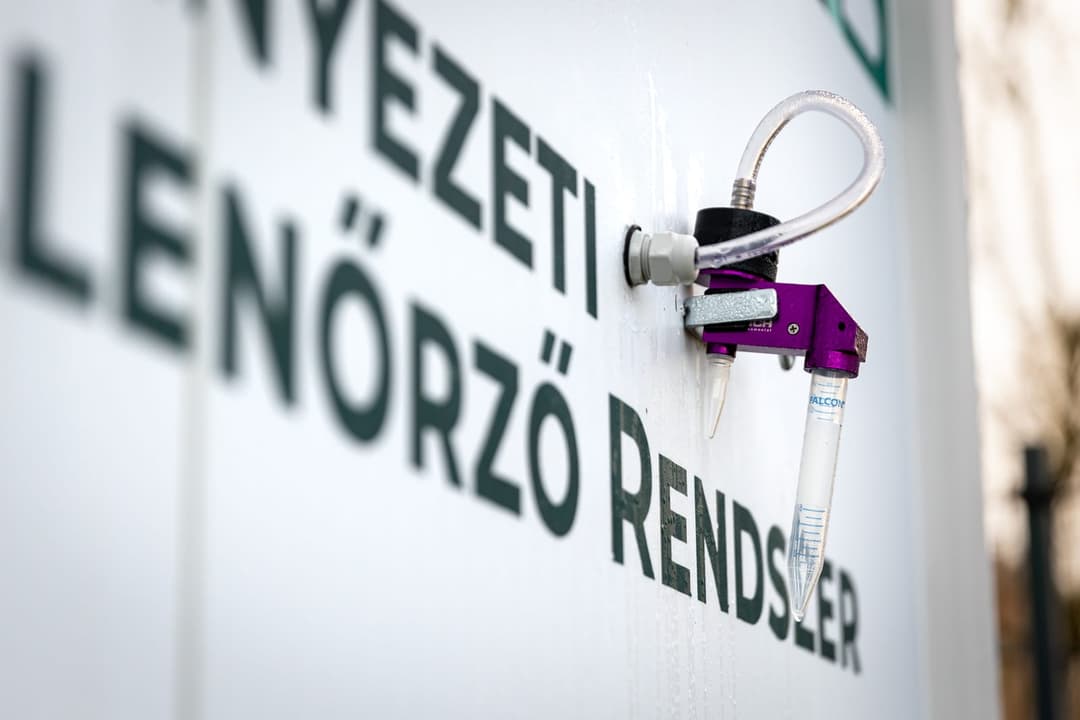
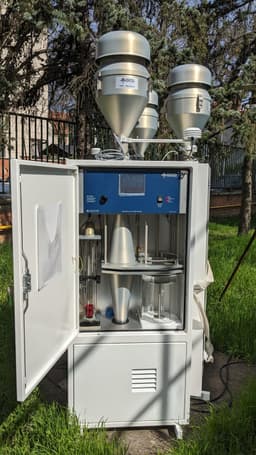
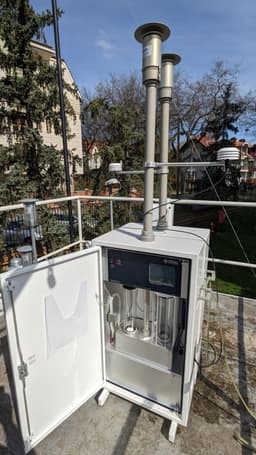
Air pollution in cities is caused by a variety of factors, such as transport, heating, industrial emissions, construction and agricultural activity, all of which contribute to the increase in air pollutants. Examples of these pollutants include particulate matter (PM2.5, PM10), nitrogen dioxide (NO2), sulphur dioxide (SO2) and ozone (O3).

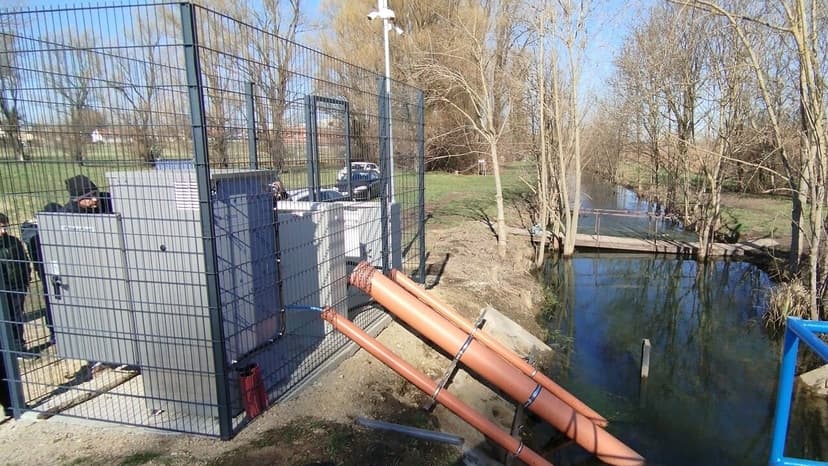
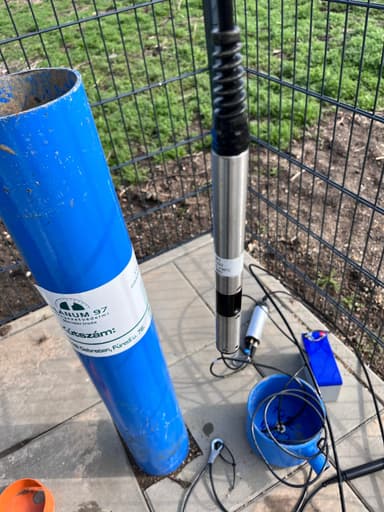
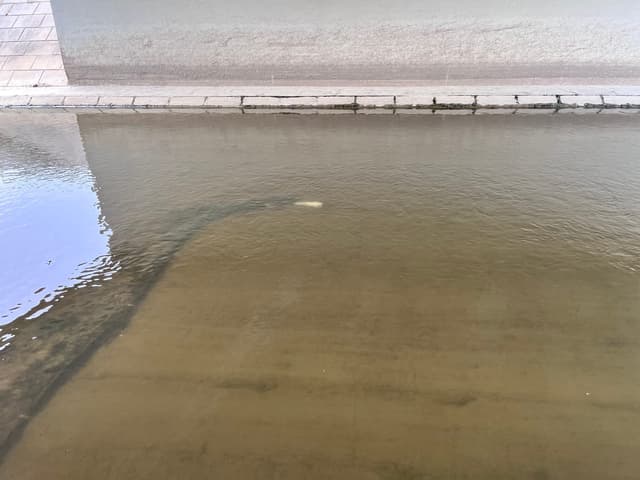
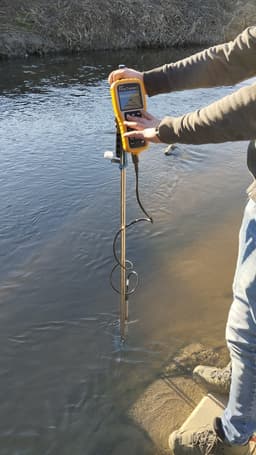
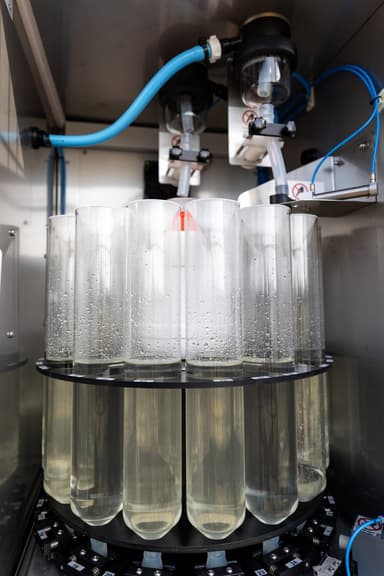
Water is an essential natural resource, playing a key role in sustaining ecosystems, human life and the economy. Green Sentinel therefore places a high priority on the continuous monitoring of our surface and groundwater. Water monitoring in this form is the first in our country to provide complex monitoring of urban hydrological systems through the regular measurement of surface and groundwater quantity and quality parameters.

Soil monitoring - as a geological medium (according to the Government Decree 219/2004 (VII. 21.) on the protection of groundwater, Article 3, Section 15) - aims at the systematic registration of the spatial distribution and temporal changes of soil properties, as well as the monitoring of the impact of natural changes and human interventions on soil, the registration of soil degradation processes and soil contamination, in order to prevent and mitigate them.

Urban biodiversity is monitored by a complex monitoring system, an established network, a professional toolkit, university ecologists and biologists, who study all elements of the urban ecosystem at the system level, so that changes in the natural environment due to environmental impacts can be detected: The effects of climate change on native or invasive alien species, the impact of the Civaqua water programme on urban communities, and in particular on the biota of the Tócó.

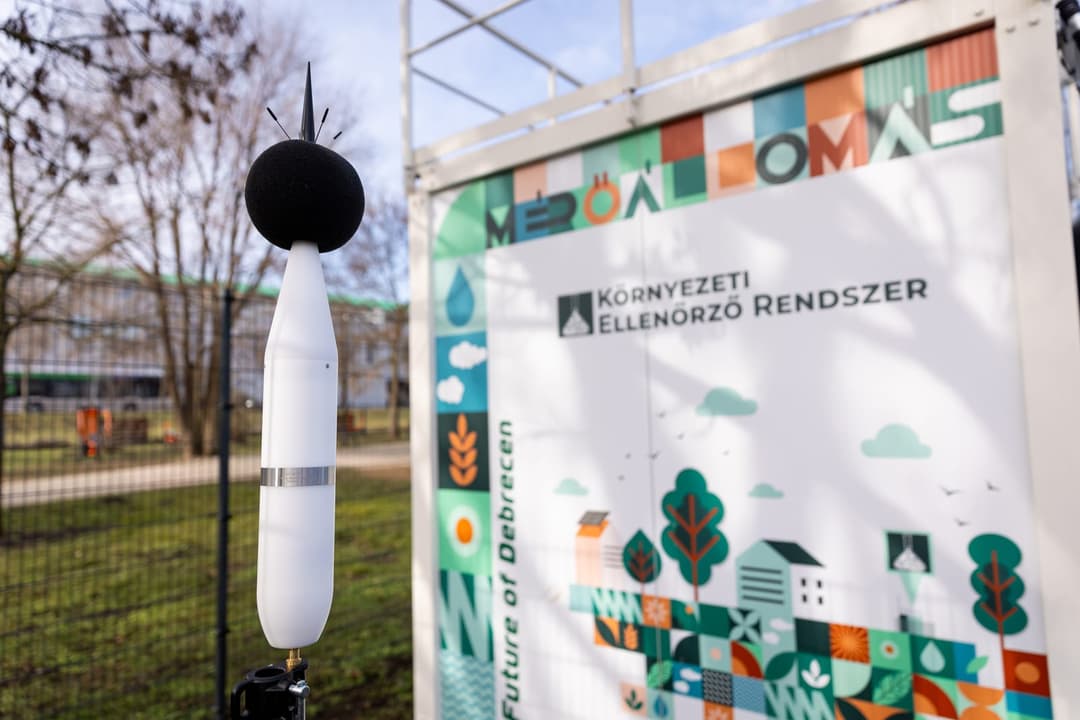
Environmental noise can have long-term adverse effects on human health and well-being. Persistent high noise levels can cause stress, sleep disturbances and concentration problems. Continued exposure to noise can also lead to fatigue, irritability and hearing loss. Noise exposure also increases the body's stress response, raises blood pressure and increases the risk of cardiovascular disease. It can impair learning abilities in children and reduce performance and well-being in adults.

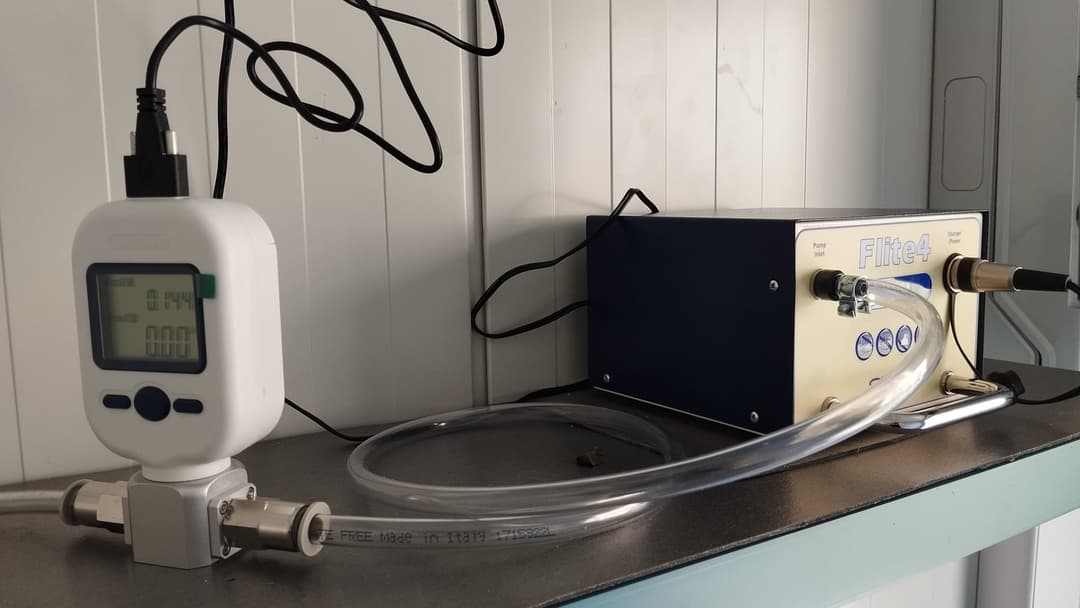
An aerobiome is a medium made up of microorganisms, bacteria, fungi, viruses and pollen that are found in the air. These biological elements in the air can affect human health, in particular by causing allergic reactions, respiratory diseases and other respiratory problems. Studying the aerobiome helps us to better understand how microorganisms in the air affect human health and our environment.



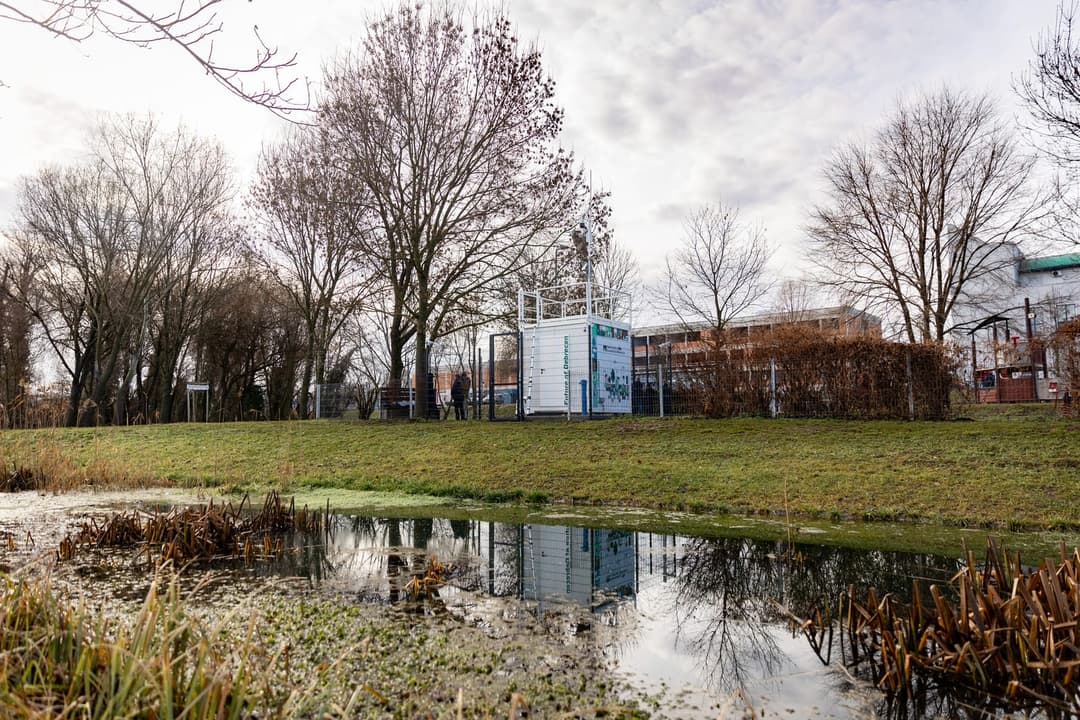
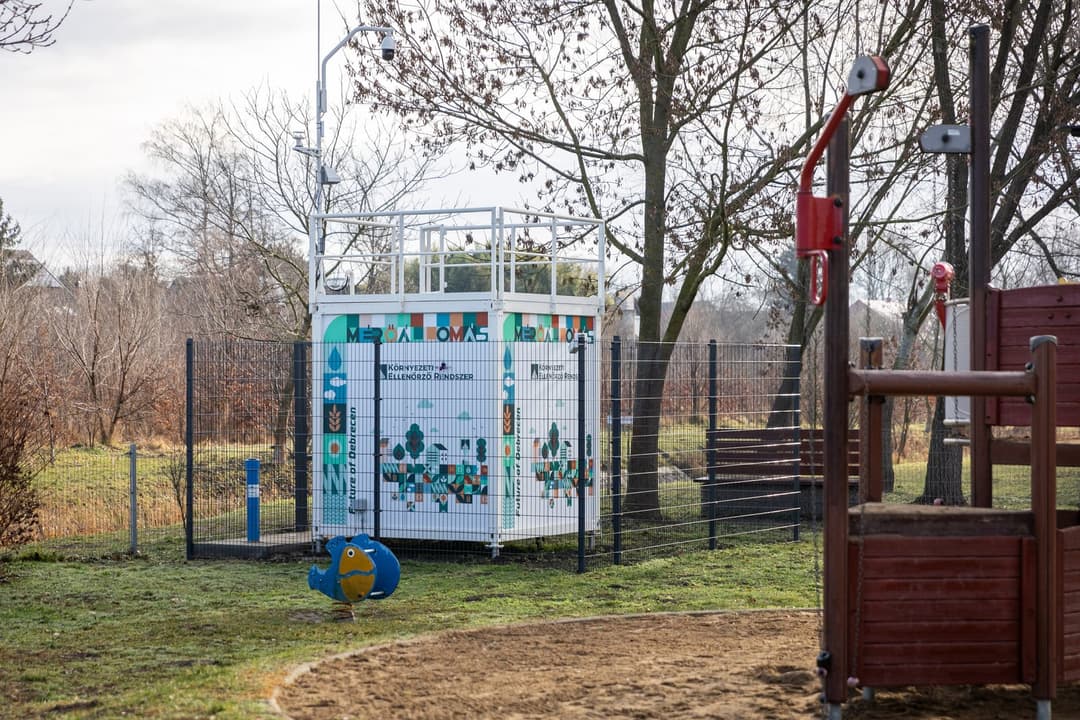
Scientists and professors from the University of Debrecen and the City of Debrecen have jointly created the Green Sentinel, which monitors the environmental condition of your living environment.
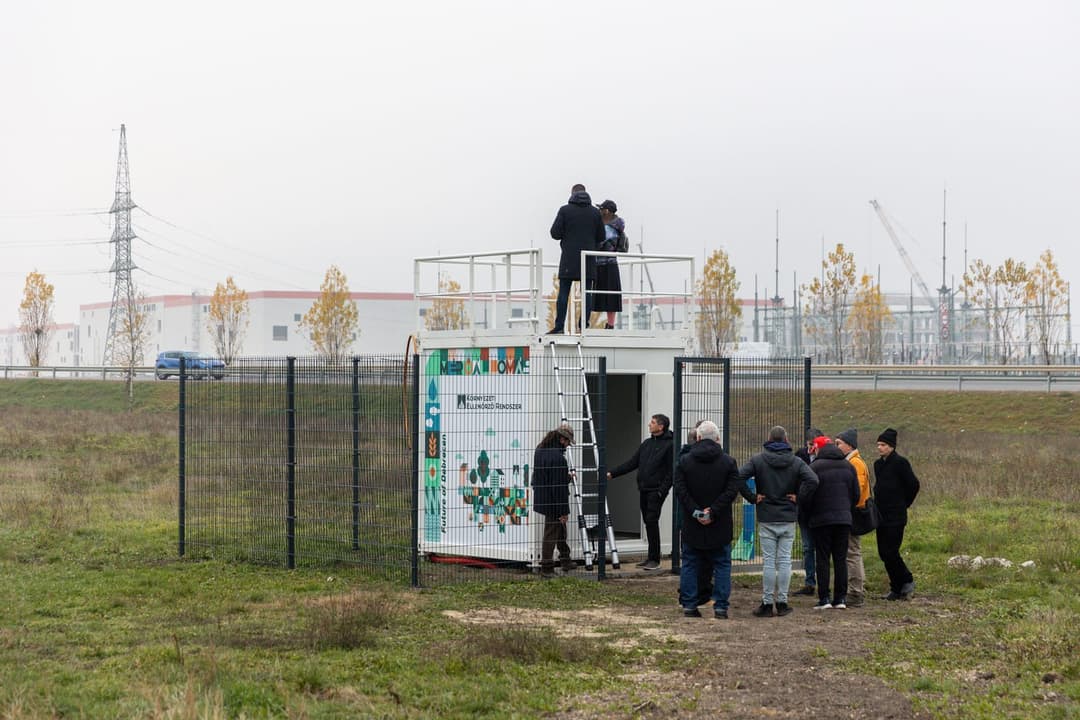
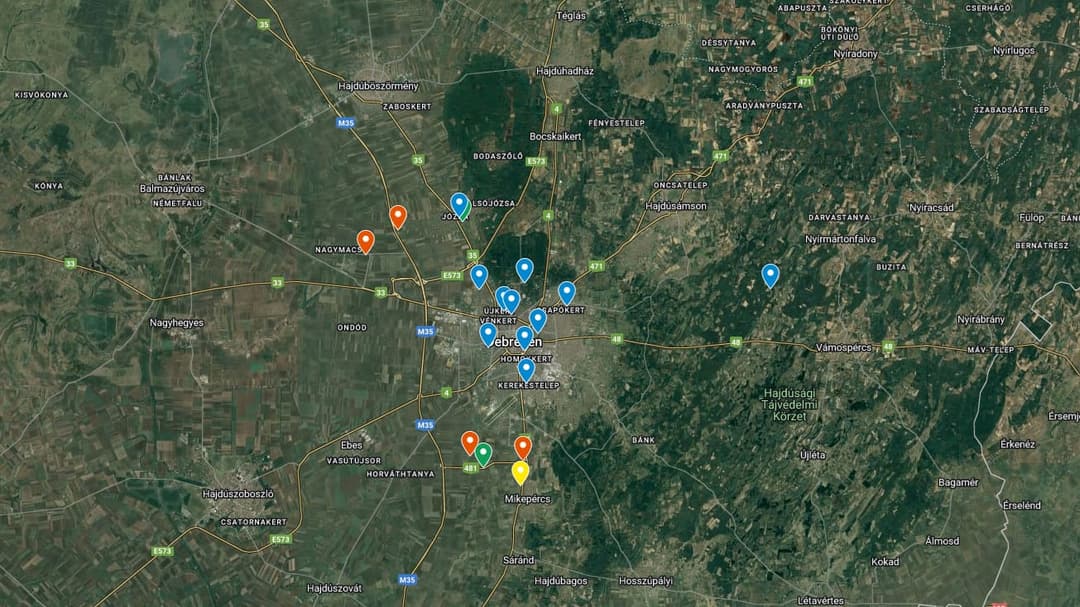
The Green Sentinel, or Environmental Control System, consists of 16 complex monitoring stations and 2 surface water monitoring points, selected by experts to cover the whole city, including residential areas, forested areas and industrial sites.
Select the closest monitoring point to you on the map to find out about the status and trends in air, water, soil, noise and biodiversity!
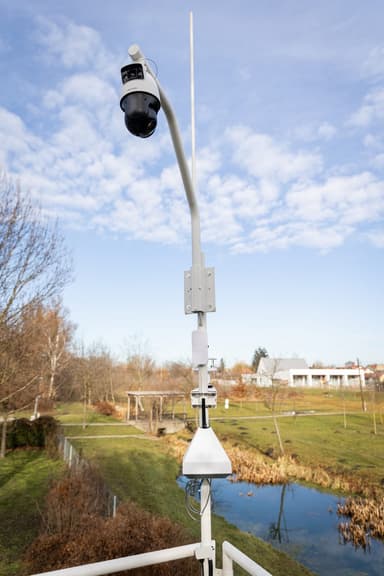
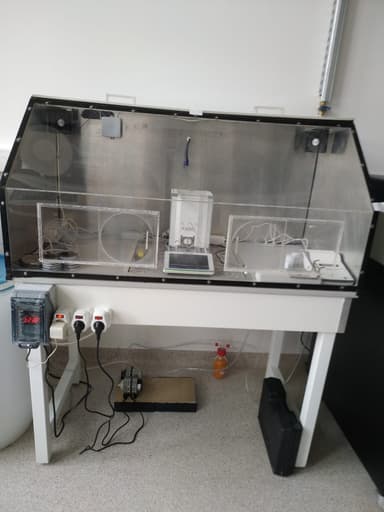
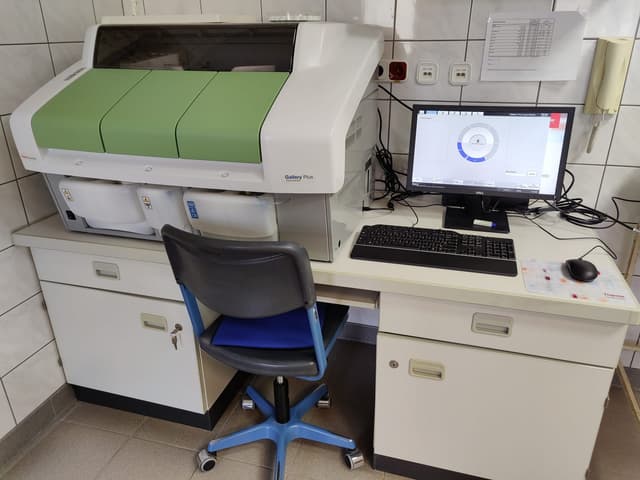
Green Sentinel is a complex monitoring system that provides you with data 24 hours a day, 7 days a week. Designed by experts, it is a continuous information and data collection, analysis and monitoring system based on objective measurements, using instrumental observation and continuous sampling to monitor changes and conditions in air, surface and groundwater, soil and wildlife.
The development, safety and well-being of Debrecen is our common cause, so we want you to be part of the Green Sentinel! Join our Citizen Science programmes to learn more about how the system works, how our scientists research, measure results and what and how it affects your environment.
Join us, let's do something together for Debrecen!
We use cookies on our website to improve the user experience. You can read more about cookies here. Cookies serve to improve the user experience of websites, to provide personalised services, and to measure visitor numbers and keep the site running at an appropriate standard. The technology helps visitors navigate and stores their settings, and may be used to secure online transactions. A cookie is a small file containing a string of characters that the server sends to the user's computer when the website is visited. Cookies generally do not contain personal information and cannot be used to identify the user.
The extreme heat, with temperatures persistently exceeding 40°C, places an exceptional strain on our devices located outdoors in direct sunlight, particularly the AQMesh air quality monitors. Temporary data gaps may occur in the gas sensor measurements of these devices. The measurement results are expected to become available again once temperatures decrease, likely after 20:00.
MoreDue to planned electrical maintenance by OPUS TITÁSZ Zrt., the power supply in the vicinity of the KER04 monitoring station (Southern Economic Zone, at the intersection of Highways No. 481 and No. 47) will be interrupted on 28 July 2026, from 08:00 to 16:00. During the power outage, the monitoring instruments will not transmit data to the website.
MoreAs part of the professional programme of their 79th Annual Field Meeting, members of the Hungarian Geographical Society visited the monitoring station at the Vezér Street Reservoir on 5 July 2026, where they learned about the operation of Green Sentinel, the Debrecen Environmental Monitoring System.
More.
MoreMaintenance work on the measuring containers of the Green Sentinel monitoring stations has begun. During the maintenance period, the air quality measuring instruments will be dismantled to ensure their protection. No data will be provided on the website during this time.
MoreThe implementation of a new gas protocol for the air quality monitoring instruments of Green Sentinel is currently underway. The English manufacturer of our air quality monitoring devices is developing and applying this new gas protocol to improve the accuracy of the instruments. The process itself takes place over several weeks and is expected to be completed in week 18.
More
9.3 °C
Közepesen felhős